

How Knowledge for Development Without Borders Contributes to Sustainable Development and Peacebuilding
Introduction
In a world facing complex challenges such as poverty, inequality, climate change, displacement, and conflict, knowledge has become one of the most valuable resources for sustainable development and peace. Organizations that facilitate the exchange of knowledge across countries, sectors, and communities play a critical role in addressing these challenges. Among them, Knowledge for Development Without Borders (K4DWB)contributes by promoting collaboration, capacity building, innovation, and the sharing of expertise beyond geographical and institutional boundaries.
By connecting professionals, researchers, practitioners, policymakers, and communities, K4DWB helps create pathways for inclusive development and peaceful societies. Its work demonstrates how knowledge can serve as a bridge between people, cultures, and institutions in pursuit of common development goals.
The Link Between Knowledge, Development, and Peace
Peace is closely linked to development. Communities that have access to education, economic opportunities, effective governance, and social inclusion are generally more resilient to conflict. Knowledge enables individuals and institutions to make informed decisions, solve problems collaboratively, and design sustainable solutions to local and
global challenges.
How Knowledge for Development Without Borders Contributes to Peace
1. Promoting Knowledge Exchange Across Borders
One of K4DWB’s core contributions is creating platforms and opportunities for knowledge sharing among professionals and organizations from different countries and disciplines. Such exchanges enable stakeholders to learn from successful experiences and adapt proven solutions to local contexts.
Cross-border knowledge exchange fosters mutual understanding, reduces barriers between communities, and encourages cooperation rather than competition. These interactions contribute to building trust, which is an essential foundation for peaceful societies.
2. Strengthening Human Capacity and Leadership
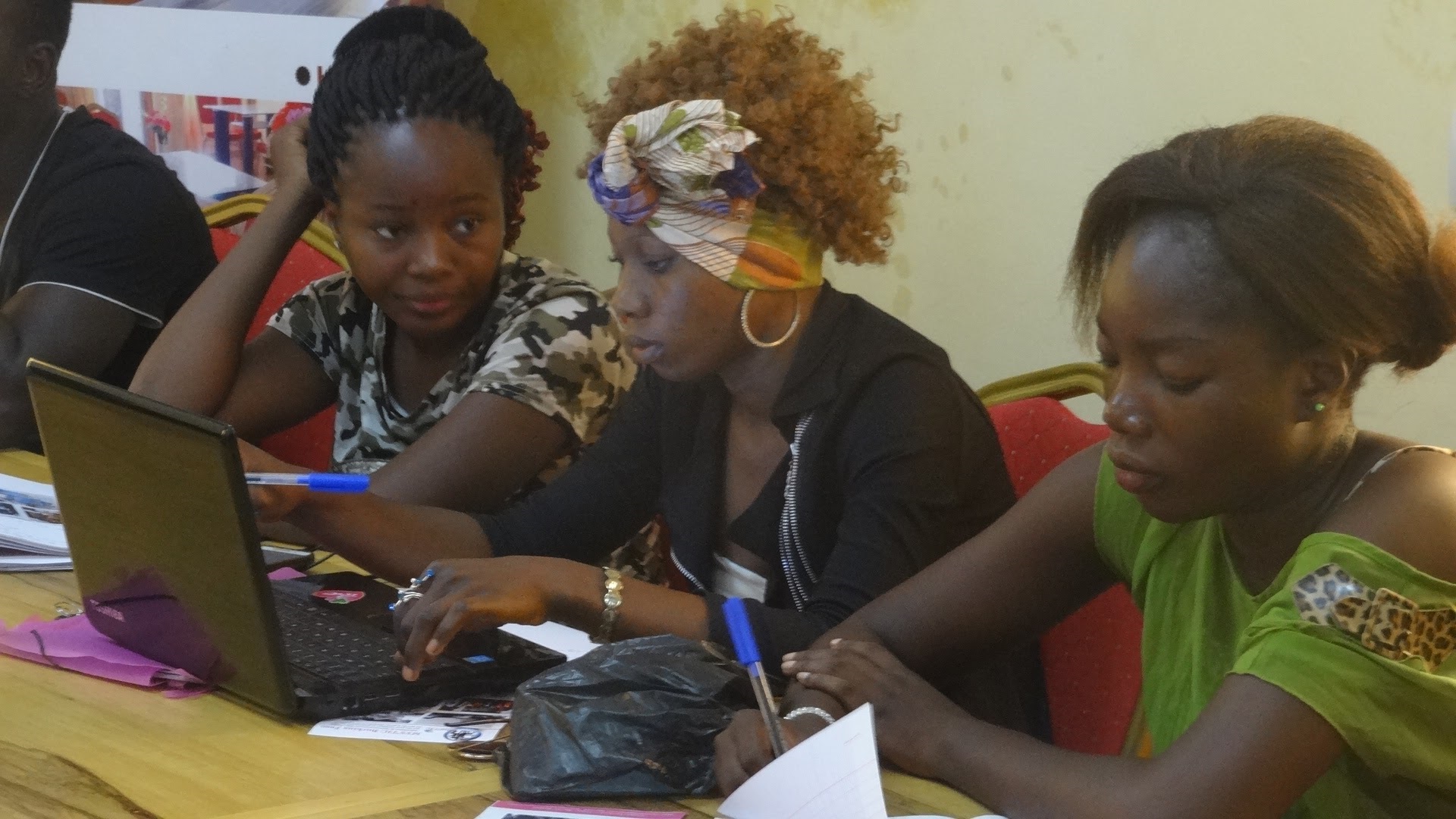
Sustainable peace requires capable leaders, skilled professionals, and empowered communities. Through training, mentoring, workshops, and professional development initiatives, K4DWB strengthens individual and institutional capacities.
By investing in human capital, the organization helps create local expertise that can address development challenges, manage conflicts constructively, and support long-term social stability.
3. Supporting Evidence-Based Decision Making
Development interventions are most effective when they are informed by reliable knowledge and evidence. K4DWB contributes by facilitating access to research, lessons learned, and practical experiences from diverse contexts.
4. Encouraging Inclusive and Participatory Development
Inclusive development is essential for preventing conflict and promoting social cohesion. K4DWB contributes by ensuring that knowledge-sharing processes include diverse voices, including women, youth, marginalized groups, and local communities.
When people participate in shaping development solutions, they develop a stronger sense of ownership and trust. Inclusive participation reduces grievances and strengthens community resilience.
5. Facilitating Innovation for Development Challenges
Many development and peacebuilding challenges require innovative solutions. By connecting experts from different sectors and regions, K4DWB creates opportunities for collaborative problem-solving and innovation.
Whether addressing climate adaptation, digital transformation, education, health, or economic development, innovation driven by knowledge exchange can improve livelihoods and reduce vulnerabilities that may contribute to instability.
6. Building Global Partnerships
These partnerships strengthen collective action and contribute to achieving sustainable development while supporting broader peacebuilding objectives.
Future Opportunities for Greater Impact
Looking ahead, Knowledge for Development Without Borders can further enhance its contribution to peace by:
Supporting youth leadership and intercultural dialogue initiatives.
Facilitating South-South and triangular cooperation among developing countries.
Promoting research and innovation related to conflict prevention and resilience.
Strengthening local capacities for sustainable development and community-led peacebuilding.
Creating communities of practice focused on peace, inclusion, and sustainable development.
Conclusion
Knowledge for Development Without Borders demonstrates the importance of knowledge as adriver of both development and peace. By connecting people, facilitating learning, strengthening capacities, and promoting collaborative solutions, the organization contributes to more inclusive, resilient, and peaceful societies.
Its work highlights a fundamental principle: when knowledge crosses borders, it not only advances development but also creates opportunities for dialogue, understanding, and cooperation. In this way, Knowledge for Development Without Borders can play an increasingly important role in building a future where sustainable development and
lasting peace go hand in hand.